Data and Digital Transformation
Navigating the New Era: Digital Transformation in Industry
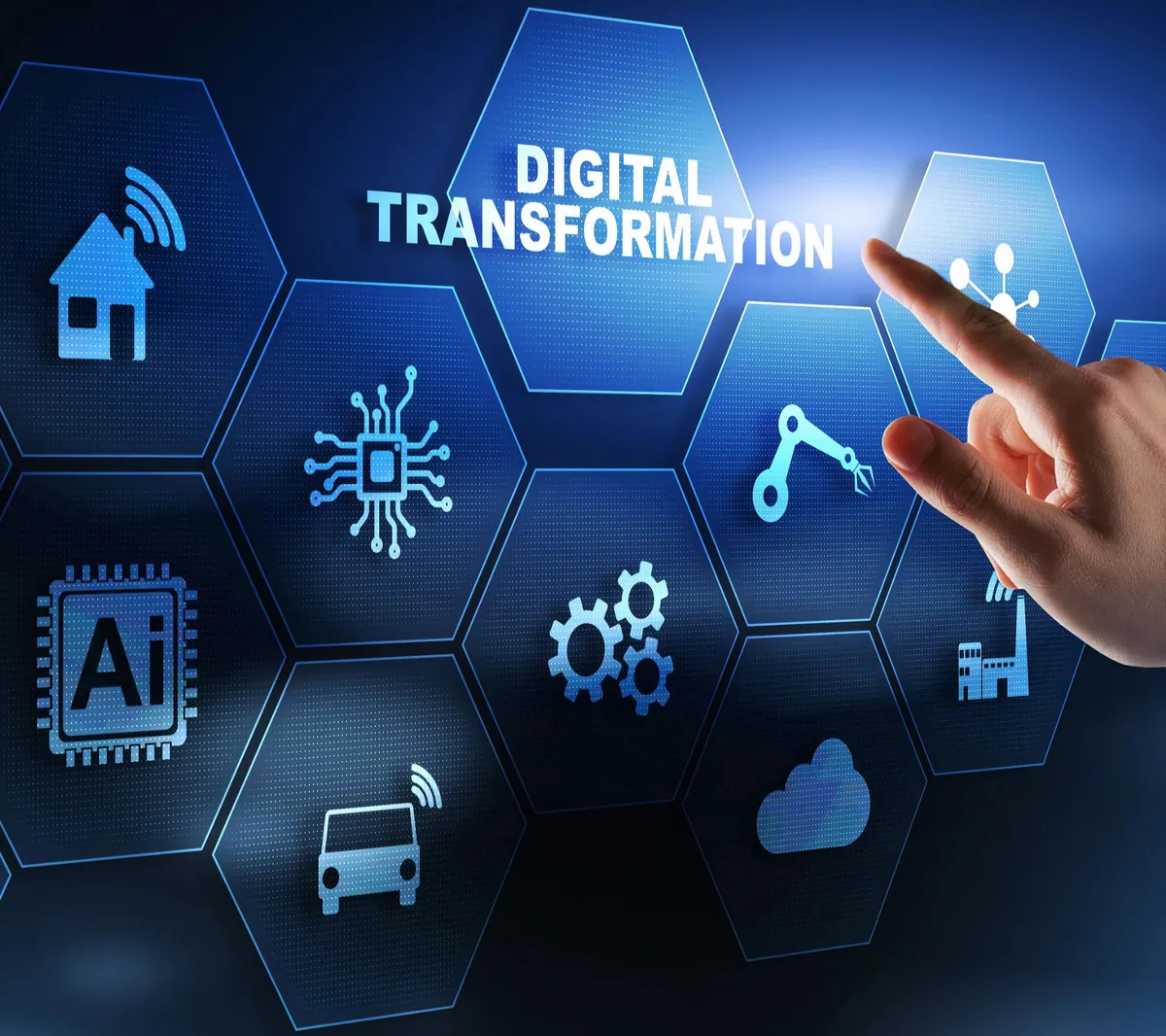
Digital transformation refers to the integration of digital technology into all areas of a business, fundamentally changing how you operate and deliver value to customers. It's also a cultural shift that requires organizations to continually challenge the status quo, experiment, and get comfortable with failure.
Digital transformation can involve various aspects of a business, including:
Business Operations: This involves streamlining and automating processes to make them more efficient, accurate, and faster. For instance, a company may digitize its inventory management to keep better track of stocks and orders in real-time.
Customer Experience: Digital transformation often involves changing how companies interact with customers, focusing on a seamless, personalized, and digital customer journey. For instance, businesses may move from physical stores to online e-commerce platforms or develop mobile apps to provide round-the-clock services.
Product or Service Digitization: Digital transformation can also involve the digitization of products or services. For instance, print newspapers shifting to online news platforms, or traditional education systems moving towards online learning platforms.
Decision-Making and Strategy: The use of digital tools can help businesses make better decisions, with tools like data analytics providing insights into customer behavior, market trends, and organizational performance.
Work Culture: This includes the adoption of digital tools for internal communication, remote working, collaboration, and productivity.
While digital transformation varies widely based on organizations' specific challenges and demands, common elements include changing customer expectations, cultural change within the organization, and leveraging existing and emerging technology effectively.
Brief overview of the importance of digital transformation in industries
Digital transformation is incredibly important across various industries due to several reasons. Here is a brief overview of its importance:
- Increased Efficiency: Digital transformation helps automate repetitive tasks, reduces human error, and increases efficiency in business operations. Industries such as manufacturing, logistics, and finance can significantly benefit from automation and other digital transformations.
- Enhanced Decision Making: With technologies like big data, artificial intelligence (AI), and machine learning, businesses can generate insights from vast amounts of data, leading to more informed decision-making and predictive capabilities. This is crucial for industries like healthcare, finance, retail, and marketing, where data-driven insights can be game-changing.
- Improved Customer Experience: Digital transformation allows companies to offer personalized experiences and interact with customers in innovative ways, which can lead to increased customer satisfaction and loyalty. This is essential in industries like retail, hospitality, and services.
- Competitive Advantage: Businesses that fail to adapt to digital transformations risk becoming irrelevant or falling behind their competitors. In sectors like technology, e-commerce, and media, staying ahead of the digital curve is crucial.
- Cost Savings: By digitizing and automating processes, businesses can often reduce their operating costs. This is important across all industries, but especially in sectors like manufacturing and logistics.
- Innovation and Product Development: Digital transformation enables businesses to innovate and develop new products or services. For example, in the entertainment industry, digital transformation has led to the rise of streaming services.
- Workforce Empowerment: Digital tools can facilitate remote work, foster collaboration, and increase employee productivity. This is increasingly important in the modern workplace across all industries.
- Sustainability: Digital transformation can also help industries become more sustainable. For example, in the energy sector, digital technologies can improve energy efficiency and support the integration of renewable energy sources.
In summary, digital transformation has the potential to significantly reshape industries and offer strategic advantages. It is not just about integrating new technology into existing processes but also about fundamentally rethinking how to conduct business in the digital age.
Rise of Digital Transformation
The rise of digital transformation has been influenced by several factors, including advancements in technology, changing customer expectations, and an increasingly competitive global business environment.
- Technological Advancements: Rapid technological innovations have made digital tools more powerful and accessible. Cloud computing, artificial intelligence (AI), machine learning, big data analytics, the Internet of Things (IoT), and other advancements are driving digital transformation, providing businesses with tools to streamline operations, improve customer experiences, and gain insights from data.
- Customer Expectations: Today's customers expect seamless, personalized experiences. They want to interact with brands on their terms, using the devices and platforms of their choice. They also expect businesses to use their data to provide personalized, predictive experiences. These changing expectations are forcing businesses to undertake digital transformation.
- Competitive Pressure: The global business environment is increasingly competitive. Companies that are able to leverage digital technologies effectively often have a competitive advantage, as they can operate more efficiently, adapt more quickly to market changes, and deliver superior customer experiences.
- Pandemic Impact: The COVID-19 pandemic has significantly accelerated the pace of digital transformation. With social distancing measures in place and a surge in remote work, companies have had to fast-track their digital strategies to continue operating effectively. The pandemic underscored the importance of digital readiness, which allows business and life to continue as usual - as much as possible - during crises.
- Data-Driven Decision Making: The increasing availability of data and advanced analytics tools have made it possible for businesses to gain real-time insights into customer behavior and market trends. This has enabled more informed, data-driven decision-making, and strategic planning.
- Cost Efficiency: Digital technologies can often deliver cost savings, particularly by automating manual, time-consuming processes. This efficiency gain is a significant driver of digital transformation.
The rise of digital transformation represents a fundamental shift in the way businesses operate. Companies are rethinking their business models, reshaping their strategies, and revamping their operations to thrive in the digital age. However, successful digital transformation requires more than just technology; it also involves cultural change, as businesses need to be willing to take risks, experiment, and embrace new ways of working.
Benefits of Digital Transformation
Digital transformation offers numerous benefits across various facets of a business, enhancing operations, customer experience, and overall competitiveness. Here are some key benefits:
- Improved Efficiency: Digital transformation can streamline business processes and improve efficiency. By automating repetitive tasks and improving workflows with digital technologies, businesses can save time and reduce human error.
- Better Decision-Making: Leveraging big data and analytics can help businesses gain deep insights into customer behavior, market trends, and operational performance. This can lead to more informed and effective decision-making, enhancing the strategic direction of the business.
- Enhanced Customer Experience: Digital transformation allows businesses to provide a better customer experience. By harnessing digital channels, businesses can interact with their customers more effectively, offer personalized services, and respond to customer needs more quickly.
- Increased Agility: Digital transformation enables businesses to become more agile and responsive to changes in the market environment. This is crucial in today's fast-paced business world, where the ability to quickly adapt to new trends and customer demands can provide a significant competitive advantage.
- Innovation: By adopting new technologies, businesses can foster a culture of innovation. Digital transformation opens up new opportunities for product and service innovation, helping businesses to stay ahead of the competition.
- Cost Reduction: Digital transformation can lead to significant cost savings. By automating processes, businesses can reduce labor costs. Further, cloud-based solutions can reduce the need for expensive onsite infrastructure.
- Employee Empowerment: Digital tools can help employees collaborate more effectively and work more flexibly. For instance, cloud-based platforms can enable remote working, while digital collaboration tools can improve teamwork and communication.
- Scalability: Digital solutions make it easier for businesses to scale up (or down) their operations in response to market demand or changes in business strategy.
- Resilience: Digitally transformed organizations are often more resilient because they can operate and adapt under various circumstances, including during crises like the COVID-19 pandemic, where digital readiness was essential for business continuity.
- Sustainability: Digitization can also contribute to sustainability efforts. For example, a paperless office reduces waste, and analytics can optimize resource usage.
It's important to note that while digital transformation brings many benefits, it's not without challenges, including security concerns, the need for cultural change within the organization, and the requirement for ongoing investment and commitment. However, with careful planning and execution, these challenges can be effectively managed.
Challenges of Digital Transformation
While digital transformation offers numerous benefits, it also comes with several challenges that organizations need to address to ensure a successful transition. Here are some key challenges:
Technological Integration: Integrating new digital technologies with existing systems can be a complex task. This can be particularly challenging for older organizations that have legacy systems in place.
Data Privacy and Security: With the rise of digital platforms and increased data collection, ensuring data privacy and security is a significant challenge. Cybersecurity threats are constantly evolving, requiring businesses to stay ahead with the latest security measures.
Skills Gap: Implementing new technologies often requires new skills. If an organization's workforce lacks these skills, this can be a substantial barrier to digital transformation. Training existing employees and recruiting new ones with the necessary skills can be time-consuming and costly.
Resistance to Change: Like any significant change, digital transformation can face resistance from employees. This can stem from fear of the unknown, concerns about job security with automation, or simply comfort with existing ways of doing things.
Costs: Digital transformation can require significant upfront investment in new technologies, infrastructure, and skills. For some organizations, particularly small and medium-sized businesses, these costs can be prohibitive.
Strategy and Vision: Defining a clear digital strategy and vision can be a challenge. Some organizations may struggle to identify which technologies are most relevant to their business and how to implement them to maximize value.
Cultural Change: Digital transformation isn't just about technology; it's also about changing an organization's culture. This can involve promoting a more collaborative and innovative mindset, encouraging employees to embrace new technologies, and fostering an environment where experimentation and failure are seen as part of the learning process.
Keeping Pace with Technological Change: Technology is continually evolving, and keeping up with the latest trends and developments can be a challenge. Businesses need to be adaptable and flexible to take advantage of new opportunities as they arise.
Customer Experience: While digital transformation often aims to improve customer experience, it's crucial to ensure that changes don't disrupt service or alienate customers. Careful planning and communication are needed to manage customer expectations during the transformation process.
These challenges highlight the importance of careful planning and execution in digital transformation initiatives. By addressing these challenges head-on, organizations can enhance their chances of success and reap the many benefits that digital transformation can offer.
The Role of Leadership in Driving Digital Transformation
Leadership plays a crucial role in driving digital transformation. It's the leaders who set the vision, inspire the team, and create a conducive environment for change. Here are some specific ways in which leadership can drive digital transformation:
Setting the Vision and Strategy: Leaders must define a clear digital strategy aligned with the organization's business goals. This includes identifying how digital technologies can improve operations, customer experiences, and overall business performance.
Championing the Change: As with any significant change, resistance is expected. Leaders need to be the champions of digital transformation, highlighting its importance and benefits to all stakeholders. They need to inspire and motivate their teams to embrace the change.
Fostering a Culture of Innovation: To succeed in digital transformation, organizations need to cultivate a culture that encourages innovation, experimentation, and learning. Leaders play a key role in promoting this mindset and ensuring that employees feel safe to take risks and learn from failures.
Upskilling and Reskilling: As digital technologies evolve, new skills are needed. Leaders need to invest in upskilling and reskilling their teams, ensuring they have the necessary capabilities to leverage digital technologies effectively.
Allocating Resources: Leaders are responsible for ensuring the necessary resources, including budget, time, and human resources, are allocated for digital transformation initiatives. They also need to prioritize projects and ensure they align with the overall digital strategy.
Driving Collaboration: Digital transformation often requires cross-functional collaboration. Leaders need to break down silos and foster a collaborative environment where different teams work together towards common goals.
Managing Change: Digital transformation is a significant change that can impact all aspects of an organization. Leaders need to manage this change effectively, addressing any resistance and ensuring clear communication throughout the process.
Staying Informed: Leaders need to stay abreast of the latest digital trends and understand how they might impact their organization. This involves continuous learning and potentially seeking advice from external experts.
Ensuring Customer-Centricity: Digital transformation should ultimately enhance the customer experience. Leaders need to keep customer needs at the heart of digital transformation efforts, ensuring that changes deliver value to customers.
Promoting Digital Ethics and Responsible Use: With the use of digital technologies comes the responsibility to use them ethically, considering issues like data privacy and security. Leaders need to ensure that digital transformation efforts adhere to ethical standards and regulatory requirements.
By taking these actions, leaders can drive digital transformation effectively, steering their organizations towards success in the digital age.
How ThingWorx can help
ThingWorx is a leading Industrial Internet of Things (IIoT) platform developed by PTC, designed to facilitate rapid development and deployment of smart, connected solutions. It is primarily utilized in the field of manufacturing but can be applied in various industries. Here are some ways ThingWorx helps companies with digital transformation:
- Connected Operations: ThingWorx allows businesses to connect their devices, machines, and systems in real-time, providing a comprehensive view of their operations. This enables the tracking and monitoring of equipment performance, early identification of issues, and predictive maintenance, leading to reduced downtime and increased operational efficiency.
- Data Analysis and Insights: By integrating with sensors and machines, ThingWorx collects vast amounts of data, which can be analyzed using its built-in analytics capabilities. This aids in making data-driven decisions, optimizing processes, and predicting future trends, helping businesses to be more proactive and adaptive.
- Digital Twin Technology: ThingWorx supports the creation of digital twins, which are virtual representations of physical assets or systems. These digital twins can be used for simulation, analysis, and testing, leading to improved product design, faster problem resolution, and reduced development costs.
- Augmented Reality (AR) Integration: ThingWorx integrates with Vuforia, PTC's AR platform, to deliver immersive, interactive experiences. This can enhance training, maintenance, and customer experiences, providing visual, real-time information in the context of the real world.
- Application Development: ThingWorx includes a set of tools for rapid application development. This allows companies to quickly create and deploy customized IoT solutions that address their specific needs without extensive coding.
- Scalability and Flexibility: ThingWorx is designed to be scalable and flexible, accommodating businesses of different sizes and industries. As a company grows or its needs change, ThingWorx can easily adapt, supporting the company's ongoing digital transformation journey.
- Security: ThingWorx is designed with security in mind, offering features to protect data integrity and privacy. This is particularly crucial in the era of IoT where vast amounts of sensitive data are being generated and transmitted.
In summary, ThingWorx is a powerful tool for companies undergoing digital transformation, particularly in industries where IoT is a significant factor. It facilitates connected operations, data-driven decision-making, predictive maintenance, improved customer experiences, and more, helping businesses to optimize their operations and gain a competitive edge in the digital age.
Website: https://www.ptc.com/Phone: +1-781-370-5000 Email: info@ptc.com
Get new LearnSCADA articles
New articles on SCADA, Ignition, alarm management, and industrial data, by email. No spam. Unsubscribe any time.
Comments
No comments yet. Start the conversation.