Connected Assets: Leverage IoT for Remote Monitor in Oil & Gas
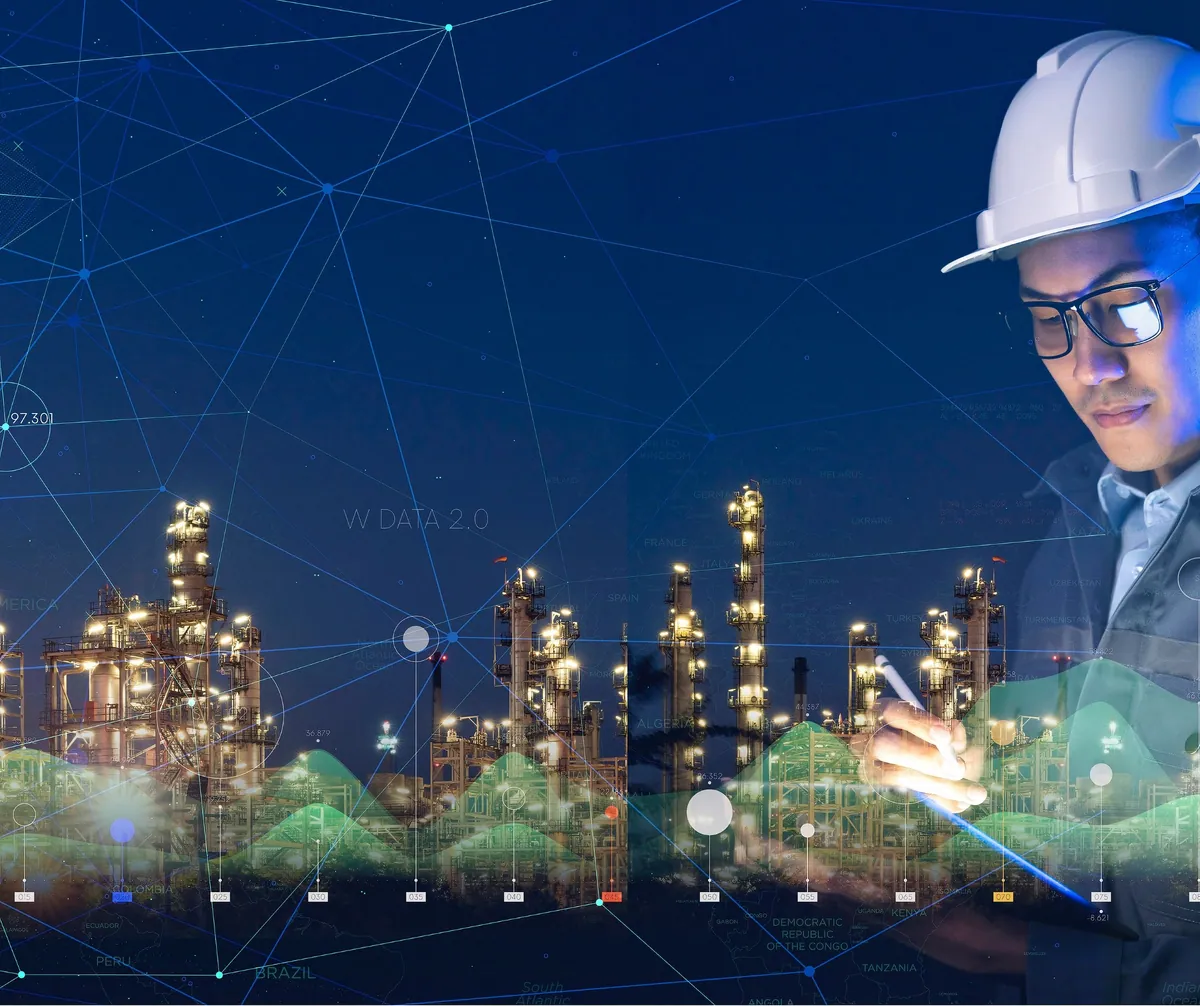
Connected assets refer to physical objects or equipment that are integrated with sensors, actuators, and connectivity capabilities to enable communication, data exchange, and remote monitoring. These assets form a part of the Internet of Things (IoT) ecosystem, where they are interconnected and share information in real-time. The concept of connected assets encompasses various components that enable seamless connectivity, data collection, and advanced analytics for improved operational efficiency and decision-making.
· Sensors and Actuators: Connected assets are equipped with sensors that collect data about various parameters such as temperature, pressure, vibration, humidity, and location. These sensors provide real-time insights into the asset's performance, health, and operating conditions. Actuators, on the other hand, allow for remote control and manipulation of the asset's functionalities.
· Connectivity: Connected assets rely on connectivity technologies such as wired or wireless networks, including Wi-Fi, cellular, or industrial protocols like Modbus or OPC-UA. These networks enable the assets to transmit and receive data to and from centralized systems or cloud platforms.
· Data Communication and Protocols: To ensure efficient data transmission, connected assets use communication protocols that standardize the format, structure, and transmission of data. Common protocols include MQTT, CoAP, RESTful APIs, and others, depending on the specific application and requirements.
· Cloud Computing and Edge Computing: Connected assets often leverage cloud computing infrastructure to store, process, and analyze the vast amount of data collected from sensors. Cloud platforms provide scalability, computational power, and advanced analytics capabilities for real-time insights and historical trend analysis. Additionally, edge computing brings processing and analytics closer to the assets, reducing latency and enabling faster decision-making.
· Data Analytics and Visualization: Connected assets generate massive amounts of data, which can be analyzed using advanced analytics techniques such as machine learning and artificial intelligence. Data analytics algorithms help identify patterns, anomalies, and predictive maintenance opportunities, enabling proactive decision-making. Visualizing the analyzed data through dashboards or user interfaces provides actionable insights to operators and stakeholders.
· Integration with Enterprise Systems: Connected assets are often integrated with enterprise resource planning (ERP), customer relationship management (CRM), or other business systems to streamline operations, automate workflows, and facilitate data exchange. This integration enhances overall efficiency and enables cross-functional insights.
By leveraging connected assets, organizations can monitor, control, and optimize their equipment, processes, and infrastructure in real-time. This leads to enhanced operational performance, improved maintenance practices, reduced downtime, and better resource utilization. The concept of connected assets forms the foundation of digital transformation in industries such as manufacturing, utilities, transportation, and, notably, the oil and gas sector, where remote monitoring and optimization are critical for efficient operations.
Remote monitoring of all connected assests is of paramount importance in the oil and gas industry due to its numerous benefits and contributions to operational efficiency, safety, and cost-effectiveness.
Enhancing Operational Safety:
· Real-time Monitoring of Critical Equipment: Remote monitoring enables continuous surveillance of vital equipment, detecting anomalies and potential failures promptly. This proactive approach helps mitigate safety risks and prevent accidents.
· Remote Surveillance of Hazardous Environments: By monitoring volatile gases, emissions, and environmental conditions in real time, remote monitoring ensures compliance with safety regulations and facilitates early detection of potential incidents.
· Emergency Response and Incident Management: Remote monitoring systems enable rapid identification and response to emergencies, supporting optimized decision-making and effective allocation of resources.
Improving Operational Efficiency:
· Continuous Monitoring and Optimization: Remote monitoring allows for the continuous monitoring of equipment performance and production processes. This facilitates the identification of bottlenecks, inefficiencies, and optimization opportunities for enhanced operational efficiency.
· Proactive Maintenance and Asset Management: With remote monitoring, equipment health and performance can be monitored remotely, enabling predictive maintenance. This approach helps reduce downtime, increase productivity, and optimize asset management.
· Streamlining Operations and Resource Utilization: Remote control and automation of processes enable streamlined operations and optimized allocation of resources. This leads to cost savings, reduced wastage, and improved overall efficiency.
Cost-Effectiveness and Resource Optimization:
· Reduction of Manual Inspection and Field Visits: Remote monitoring minimizes the need for frequent and costly manual inspections and field visits. Remote diagnostics and troubleshooting capabilities also reduce the necessity for physical presence.
· Real-time Data and Analytics for Decision Making: Remote monitoring provides timely access to accurate operational data, enabling data-driven decision making. This empowers companies to optimize production processes, reduce costs, and make informed business decisions.
· Energy Efficiency and Environmental Sustainability: By remotely monitoring energy consumption, emissions, and other environmental factors, companies can identify opportunities for energy savings, reduce environmental impact, and promote sustainable practices.
Mitigating Geographical Challenges:
· Remote and Offshore Operations: Remote monitoring overcomes geographical barriers by enabling real-time surveillance and control of offshore assets and operations. It ensures efficient management and enhances safety in challenging offshore environments.
· Unmanned Facilities and Remote Locations: Remote monitoring systems play a crucial role in monitoring and controlling unmanned or remote sites. They ensure operational continuity, enable proactive maintenance, and enhance safety in such environments.
In the oil and gas industry, the role of IoT in enabling connected assets is particularly significant due to the complex and remote nature of operations. IoT technologies provide numerous benefits and capabilities that enhance asset management, operational efficiency, and safety within the industry. Here are specific ways IoT enables connected assets in the oil and gas sector:
· Remote Monitoring and Control: IoT enables real-time remote monitoring and control of critical assets such as wells, pipelines, and storage facilities. Sensors integrated into these assets collect data on parameters such as pressure, temperature, flow rates, and equipment status. This data is transmitted to centralized systems, allowing operators to monitor asset performance, detect anomalies, and make informed decisions from a remote location.
· Predictive Maintenance: IoT facilitates predictive maintenance strategies by continuously monitoring asset health and performance. Connected sensors collect data on equipment vibrations, lubrication levels, corrosion rates, and other indicators of potential failures. Advanced analytics and machine learning algorithms process this data, enabling the prediction of maintenance requirements, optimizing maintenance schedules, and reducing unplanned downtime.
· Safety and Environmental Monitoring: IoT plays a crucial role in monitoring safety and environmental conditions in the oil and gas industry. Connected assets are equipped with sensors that detect gas leaks, emissions, and environmental parameters such as air quality and water levels. Real-time monitoring of these factors helps prevent accidents, ensure compliance with safety regulations, and mitigate environmental risks.
· Asset Tracking and Inventory Management: IoT enables asset tracking and inventory management in the oil and gas sector. Connected assets, equipment, and materials are tagged with RFID or other identification technologies, allowing for real-time tracking of their location, usage, and condition. This ensures efficient inventory management, reduces losses, and enhances supply chain visibility.
· Energy Efficiency and Resource Optimization: IoT helps optimize energy consumption and resource utilization in the oil and gas industry. Connected assets, such as pumps, compressors, and heaters, are monitored for energy efficiency, and anomalies or inefficiencies are identified. This data-driven approach enables operators to optimize energy usage, reduce wastage, and enhance overall operational efficiency.
· Integration with Enterprise Systems: IoT enables seamless integration between connected assets and enterprise systems in the oil and gas industry. Integration with enterprise resource planning (ERP), asset management, and supply chain systems allows for streamlined workflows, automated data exchange, and improved coordination between different departments. This integration enhances overall operational efficiency and decision-making processes.
Overall, IoT technologies play a vital role in enabling connected assets within the oil and gas industry. By providing real-time monitoring, predictive maintenance, enhanced safety, and resource optimization capabilities, IoT transforms the way assets are managed, leading to improved productivity, reduced costs, and better environmental sustainability.
The future of IoT in the oil and gas industry holds several exciting trends and innovations that have the potential to revolutionize operations and drive further efficiency. Here are some key future trends and innovations to watch out for:
· Edge Computing and Edge Analytics: Edge computing brings data processing and analytics closer to the edge devices, reducing latency and enabling faster decision-making. Edge analytics allows real-time data analysis and insights at the edge, minimizing the need for sending data to the cloud for processing. This trend enhances operational efficiency, reduces bandwidth requirements, and enables real-time response to critical events.
· Artificial Intelligence (AI) and Machine Learning (ML): AI and ML technologies will play a significant role in extracting insights and patterns from large volumes of data generated by connected assets. These technologies enable predictive analytics, anomaly detection, and optimized decision-making. AI-powered systems can detect abnormal asset behavior, predict failures, and recommend proactive maintenance actions, ultimately reducing downtime and improving asset performance.
· Digital Twins: Digital twin technology creates a virtual replica of physical assets, enabling real-time monitoring, analysis, and simulation. In the oil and gas industry, digital twins can help optimize asset performance, simulate different operational scenarios, and conduct predictive maintenance. By combining real-time data with simulations, operators can gain insights into asset behavior, improve operations, and optimize resource allocation.
· Advanced Robotics and Drones: Robotics and drones equipped with IoT sensors can perform remote inspections, maintenance tasks, and surveillance in hazardous environments. These autonomous or semi-autonomous systems can minimize risks to human workers, reduce inspection time, and provide accurate and real-time data for decision-making.
· Blockchain for Supply Chain Management: Blockchain technology offers enhanced transparency, security, and traceability in supply chain management. In the oil and gas industry, blockchain can enable efficient tracking of materials, equipment, and transactions, reducing fraud, enhancing compliance, and streamlining the procurement and distribution processes.
· 5G Connectivity: The deployment of 5G networks will provide faster and more reliable connectivity, enabling real-time data transmission and communication between connected assets. With higher bandwidth and low latency, 5G will support emerging IoT applications in the oil and gas industry, such as real-time video monitoring, remote control, and augmented reality for maintenance and training purposes.
· Cybersecurity and Data Privacy: As the number of connected assets increases, ensuring robust cybersecurity measures and data privacy becomes critical. Future trends will focus on implementing advanced security technologies, such as secure communication protocols, encryption, and multi-factor authentication, to protect IoT-enabled systems from cyber threats and unauthorized access.
These future trends and innovations have the potential to reshape the oil and gas industry, driving further optimization, safety enhancements, and cost savings. By leveraging cutting-edge technologies, organizations can unlock new opportunities, gain a competitive edge, and embrace digital transformation in the evolving landscape of IoT applications in the oil and gas sector.
Embracing IoT for remote monitoring in the industry is of paramount importance due to its significant benefits. First and foremost, it enhances operational efficiency by providing real-time insights into asset performance and potential issues. With proactive monitoring, operators can swiftly respond to anomalies, optimize resource allocation, and streamline operations, resulting in improved overall efficiency. Additionally, IoT-enabled predictive maintenance and condition-based monitoring help reduce maintenance costs, minimize unplanned downtime, and optimize resource utilization, leading to substantial cost savings and resource optimization.
Moreover, IoT-driven remote monitoring systems contribute to improved safety and risk mitigation. By monitoring critical parameters such as environmental conditions, equipment performance, and worker safety, organizations can detect potential hazards in real-time. This capability enables timely intervention, prevention of accidents or adverse events, and the fostering of a safer working environment. Furthermore, remote monitoring facilitates compliance with safety regulations, environmental standards, and quality control measures, allowing organizations to demonstrate adherence, maintain audit trails, and promptly address any non-compliance issues.
In addition to safety and efficiency, embracing IoT for remote monitoring enables data-driven decision-making. The vast amounts of data generated by remote monitoring systems can be analyzed to extract valuable insights. By leveraging data analytics and visualization tools, organizations can make informed decisions, identify trends, optimize processes, and drive continuous improvement in their operations. Furthermore, historical data analysis, trend identification, and predictive analytics support strategic decision-making and long-term planning. These insights help optimize asset lifecycles, plan for future needs, and align investments with operational requirements.
By Charles Vance
Charles Vance is a highly skilled and experienced computer scientist and IT professional based in Houston, Texas. With over a decade of SCADA experience in the oil and gas industry, Vance is a sought-after developer and trainer, helping countless technicians and engineers improve their programming and software development skills. His practical approach, passion for the subject, and ability to simplify complex concepts make him the perfect mentor for anyone looking to excel in SCADA programming.
Get new LearnSCADA articles
New articles on SCADA, Ignition, alarm management, and industrial data, by email. No spam. Unsubscribe any time.
Comments
No comments yet. Start the conversation.